Indonesian Sulawesi vs. Sumatra Cocoa Beans
Compare Sulawesi cocoa beans vs Sumatra cocoa beans to choose the Indonesian origin that fits your chocolate formula and shipment plan.
By Aditya WijayaHead of Export SalesSix years structuring Indonesian cocoa programmes for chocolate makers and grinders across Europe and Southeast Asia.
Origin matters when a buyer is building a chocolate formula, qualifying a supplier, or replacing a bean source in an existing recipe. Sulawesi and Sumatra are both Indonesian cocoa origins, but they should not be treated as interchangeable on a purchase order.
We compare these origins through the checks that matter in a factory: flavor direction, fermentation level, bean count, moisture, certification needs, shipment timing, and commercial fit. At Indonesia Cacao, we supply both as fermented Grade A cocoa beans, and we recommend confirming the choice with a sample roast before committing a container.
What is the difference between Indonesian Sulawesi and Sumatra cocoa beans?
The main difference is the buying fit: Sulawesi offers a tighter Grade A specification and a chocolate-forward profile, while Sumatra offers a fruity, full-bodied profile with a slightly wider bean count and fermentation threshold. Both are fermented Indonesian cocoa beans for export buyers who need documented lots.
Here is the side-by-side view for our current Grade A fermented export items:
| Field | Sulawesi Fermented Cocoa Beans, Grade A | Sumatra Fermented Cocoa Beans, Grade A |
|---|---|---|
| Bean count | ≤ 100 / 100 g | ≤ 105 / 100 g |
| Moisture | ≤ 7.5% | ≤ 7.5% |
| Fermentation level | ≥ 85% | ≥ 80% |
| Minimum order | 13 MT, 1 × 20 ft FCL | 13 MT, 1 × 20 ft FCL |
| Packaging | 60 kg jute bags | 60 kg jute bags |
| Lead time | 2–3 weeks | 3–4 weeks |
| Certifications | Rainforest Alliance, ISO 22000 | Rainforest Alliance, ISO 22000 |
| Incoterms | FOB, CIF, CFR | FOB, CIF |
| HS code | 1801.00 | 1801.00 |
The table should not be read as “one origin is always better.” It shows which origin gives you the closer fit for a specific manufacturing brief. If your factory is comparing current lots, review our Sulawesi cocoa beans and Sumatra cocoa beans pages before requesting samples.
For both origins, buyers should ask for the lot reference, packing format, proposed shipping term, certificate requirements, and sample availability. A useful pre-contract check is simple: roast both samples under the same profile, grind them to liquor, then taste them blind with the same sugar level or inclusion rate used in your product development process.
How do the flavors of Sulawesi and Sumatra cocoa compare?
Sulawesi is the better starting point when the buyer wants a chocolate-forward Indonesian cocoa profile. Sumatra is the better starting point when the formula benefits from a fruity and full-bodied profile.
Flavor comparison should always be done lot by lot. Origin gives direction, but fermentation handling, drying, storage, transport time, and roasting profile all affect the final liquor. A buyer who tastes only raw beans may miss the difference that appears after roasting and grinding.
For Sulawesi, we would usually position the beans where the chocolate character needs to be clear in the finished product. That can suit dark chocolate, chocolate fillings, cocoa liquor for further processing, and blends where the manufacturer wants Indonesian origin character without pushing fruit notes too far forward.
For Sumatra, the fruity and full-bodied direction can be useful when a buyer wants more lift in the blend. It can work in dark chocolate formulations, origin blends, and products where the cocoa note needs to stand out against dairy, sugar, or inclusions. The trade-off is that the buyer should check whether the fruit direction supports the finished product or competes with other ingredients.
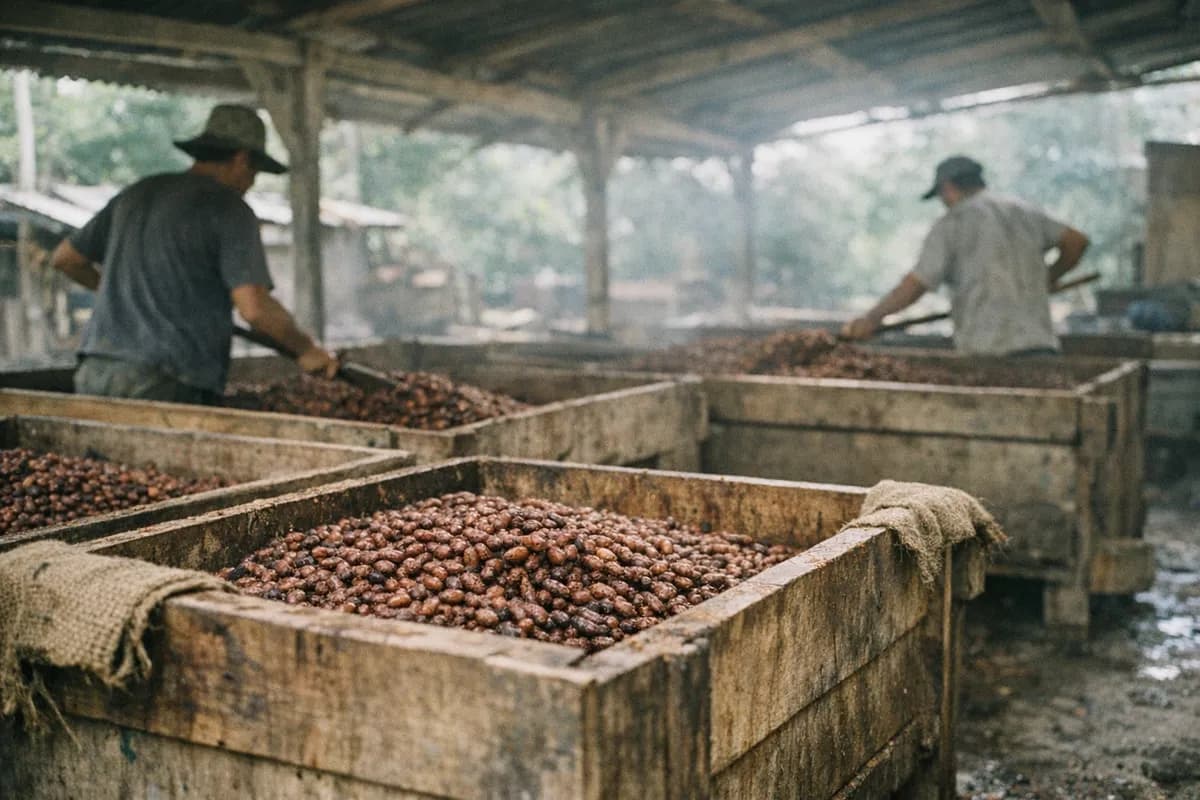
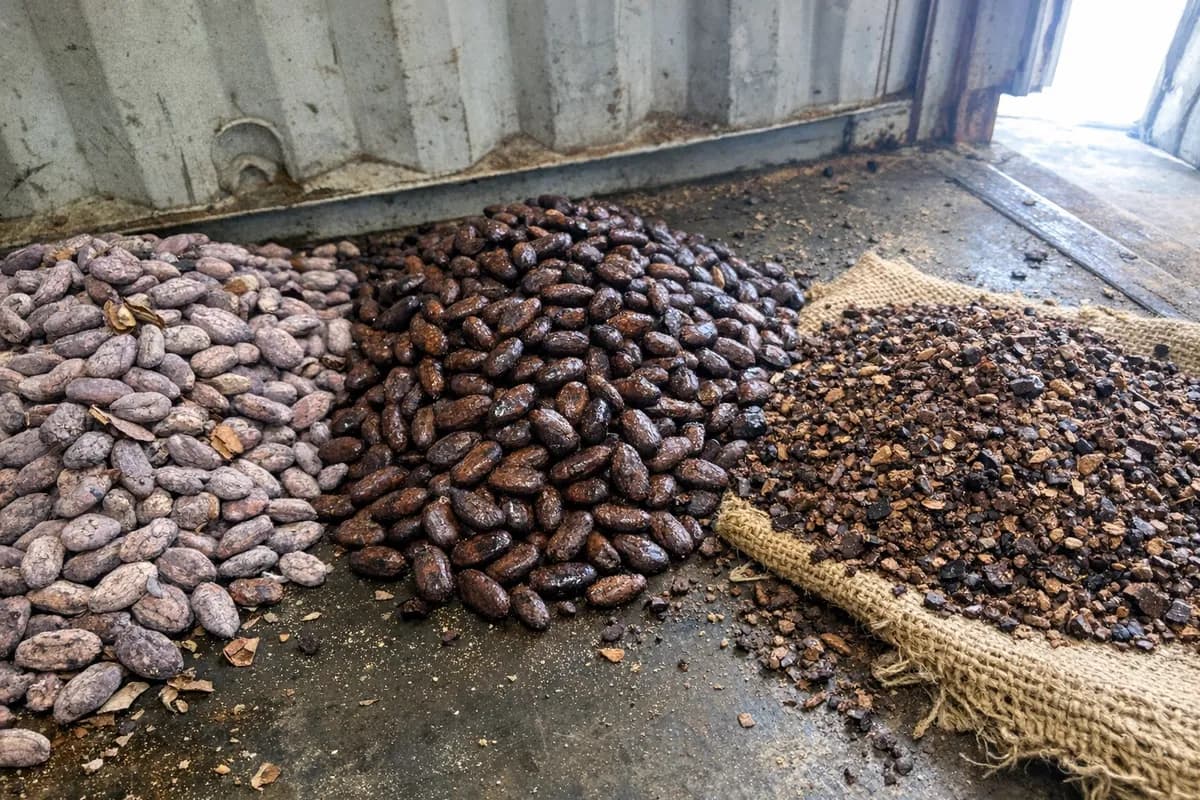
A proper flavor comparison should include at least three checks: cut test, sample roast, and liquor evaluation. The cut test helps verify fermentation appearance. The roast test shows how the beans behave under factory conditions. The liquor evaluation tells you whether the profile fits the recipe before you commit to a shipment.
What are the grading differences in Sulawesi and Sumatra cocoa beans?
Our Sulawesi Grade A has a tighter bean count and a higher fermentation threshold than our Sumatra Grade A. Both are controlled to the same moisture limit, so the main grading comparison is bean size uniformity and fermentation level.
Bean count matters because it affects roasting behavior. A lot with a tighter count is easier to roast consistently, especially when the factory uses fixed roast settings and wants fewer small-bean deviations. Sulawesi at ≤ 100 beans per 100 g gives a tighter count than Sumatra at ≤ 105 beans per 100 g.
Fermentation level matters because it affects flavor development and cut-test appearance. Sulawesi is graded to ≥ 85% fermentation. Sumatra is graded to ≥ 80% fermentation. A buyer making chocolate-forward products may prefer the higher fermentation threshold, while a buyer blending for fruit and body may still find the Sumatra profile more suitable.
Moisture is a shipment and storage issue as much as a quality issue. Both origins are specified at ≤ 7.5% moisture. On arrival, buyers should verify moisture before unloading into long-term storage, especially if the container has moved through a humid route or the bags will be held before processing.
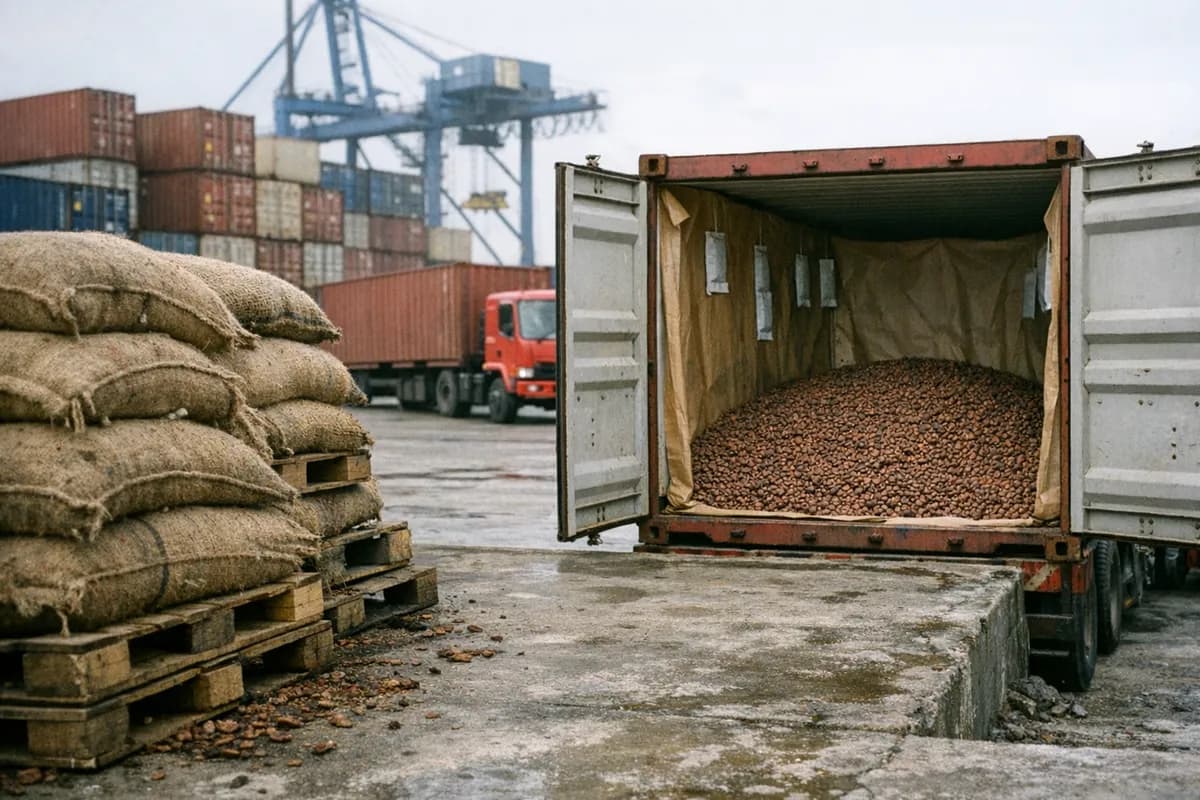
For export documentation, we recommend matching the purchase contract, invoice, packing list, certificate of origin, phytosanitary certificate, and bill of lading against the agreed product name and HS code. The documents should match the bag marks and lot references used in your internal receiving system.
Which Indonesian origin has better cocoa beans for chocolate?
Neither origin is automatically better for every chocolate application. Sulawesi is usually the stronger candidate for chocolate-forward recipes, while Sumatra can be the better choice when a fruity, full-bodied note supports the product brief.
For dark chocolate, Sulawesi is often the safer first sample if the development team wants a clear cocoa base and a controlled fermented profile. The tighter bean count also helps when the buyer wants predictable roasting trials from a new origin. If your production team is replacing a cocoa source and wants fewer sensory surprises, start with Sulawesi.
For chocolate where fruit character is welcome, Sumatra deserves a direct trial. It can add body and a more expressive profile to blends. This is useful when the buyer wants an Indonesian component that does more than act as a neutral base.
For milk chocolate, compound chocolate, coatings, fillings, and confectionery inclusions, the right answer depends on how much cocoa flavor must remain after sugar, milk powder, fats, nuts, or flavorings are added. A chocolate-forward Sulawesi lot may hold its character more directly. A fruity Sumatra lot may help when the product needs a more distinctive cocoa note.
If you want to compare both origins under one procurement process, see our fermented cocoa beans collection and send your target application, destination port, and required Incoterm through our contact page. We can quote against the origin and shipment term that fit the brief.
What is the minimum order and price context for Sulawesi and Sumatra cocoa?
The minimum order is the same for both origins: 13 MT, equal to 1 × 20 ft FCL. We do not state a standing market price because cocoa quotations depend on the lot, contract terms, shipment timing, and buyer requirements.
The main price drivers are grade, packing, Incoterm, volume, certification requirement, shipment schedule, and season. A CIF quote will not be directly comparable with an FOB quote because freight and insurance treatment differ. CFR is available for Sulawesi, while Sumatra is offered under FOB and CIF.
Certification can also affect the purchase discussion. If the buyer needs Rainforest Alliance for either origin, that requirement should be stated before quotation. The same applies if your receiving team needs ISO 22000 documentation from our Makassar processing and export warehousing facility on file before supplier approval.
For price comparison, we recommend asking for one quote per origin under the same destination port, shipment month, Incoterm, packaging, and contract volume. If you compare Sulawesi FOB against Sumatra CIF, the origin difference will be mixed with freight and insurance differences, which makes the result less useful for procurement.
A complete quotation request should include buyer company details, destination port, requested origin, volume, Incoterm, certification requirement, sample request, and any internal specification sheet your factory uses. For a current quote, send those details through our contact page.
Which origin should a manufacturer choose for each application?
Choose Sulawesi when the product brief calls for a chocolate-forward Indonesian cocoa bean with a tighter Grade A specification. Choose Sumatra when the formulation benefits from a fruity, full-bodied cocoa profile and the buyer can allow the slightly wider Grade A thresholds shown above.
For single-origin chocolate or an origin-led product, Sulawesi is usually the first origin to test if the label story and sensory target both need a clean cocoa direction. Buyers can start with our Sulawesi Fermented Cocoa Beans, Grade A and run a small-scale roast trial against the intended recipe.
Featured product
Couverture Grade A, Sulawesi Fermented
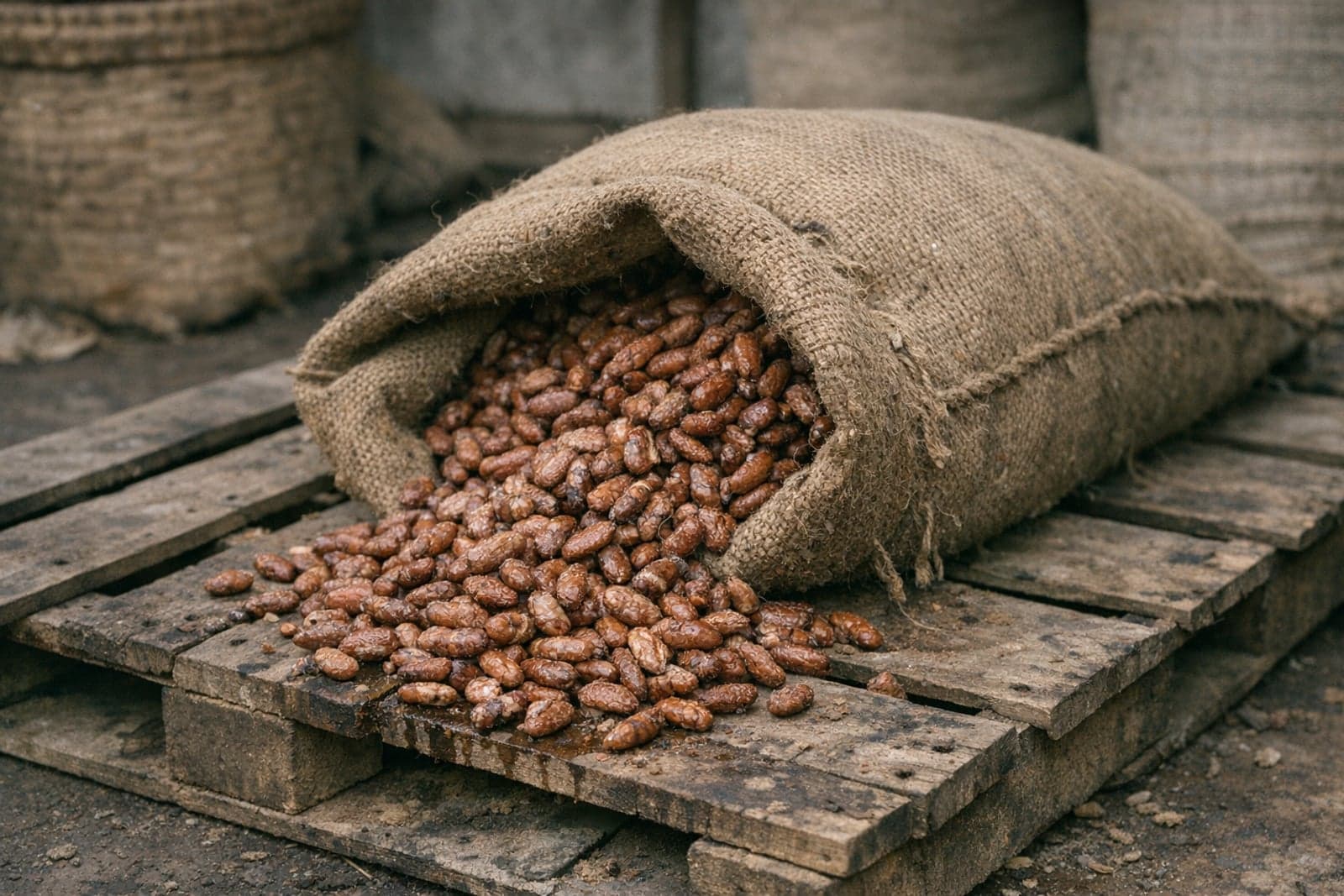
Bean-to-bar and couverture fermented Sulawesi beans, cut-tested to ≥85% fermentation (house Grade A, SNI size class A).
Rainforest Alliance · ISO 22000 · Halal (BPJPH)
View specificationsFor blends, Sumatra can be used where the manufacturer wants more profile contribution from the Indonesian component. It is not only a substitute for Sulawesi; it can be a separate blending tool. Buyers evaluating that route should test our Sumatra Fermented Cocoa Beans, Grade A beside their current base bean, not in isolation.
For industrial chocolate and confectionery, the choice should be driven by the finished product. If the cocoa note must remain direct after dairy, sugar, or inclusions, begin with Sulawesi. If the recipe needs more body or a fruitier cocoa direction, test Sumatra. If the product is mainly cost-driven and does not require fermented flavor development, an unfermented grade may be a separate discussion, but it should not be compared as the same use case as these two Grade A fermented origins.
The practical buying route is straightforward: define the application, request matching samples, roast both under the same conditions, compare liquor and finished chocolate, then lock the origin before container negotiation. That process gives your procurement team a defensible choice instead of relying on origin name alone.